



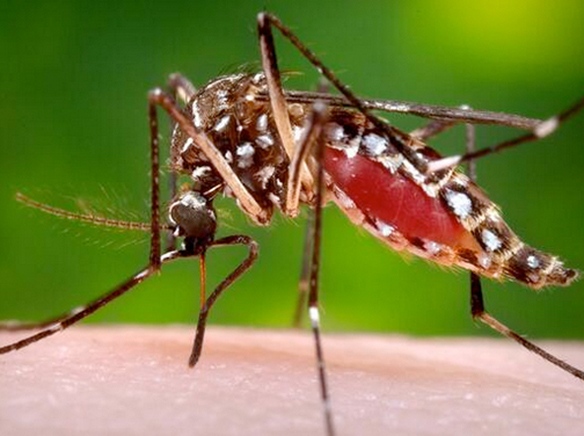
Two Seal Beach mosquito traps tested positive for West Nile Virus, according to an Oct. 7 email from the OC Mosquito and Vector Control District.
There have been no human cases of West Nile Virus detected in Orange County as of Oct. 3, according to WestNile.ca.gov.
“Nile virus was detected in 13 mosquito samples from routine trapping locations in Anaheim, Fullerton, Garden Grove and Seal Beach. Year to date there have been a total of 134 positive mosquito samples collected,” wrote Vector Control’s District Manager Lorna Young.
A table included in Young’s email identified one trap, collected on Oct. 2, as being placed in Leisure world. The other Seal Beach trap, also collected on Oct. 2, was located in the Naval Weapons Station R.V. Park.
“We work with OC Vector Control, both to limit mosquito populations on base, and to ensure the we have situational awareness about regional and local West Nile Virus (WNV) detections,” wrote Gregg Smith, public affairs officer for the Navy base.
“We also have an ongoing program on-base to educate our population about WNV, and how to protect themselves from mosquito bites in general,” Smith wrote.
According to Young’s letter, there have been 19 new West Nile positive mosquito pools found this week. The year to date figure she gave was 134.
“Less than one percent of individuals (about 1 in 150 people) infected with WNV will develop severe illness,” according to the Vector Control District website.
“The severe symptoms can include high fever, headache, neck stiffness, stupor, disorientation, coma, tremors, convulsions, muscle weakness, vision loss, numbness and paralysis,” the website said.
These symptoms may last several weeks, and neurological effects may be permanent. WNV infection can be fatal,” according to the Vector Control website.
“People of any age can become infected with West Nile Virus (WNV), but severe disease is more common in people over 60 years of age,” according to the Orange County Health Care Agency website.
(WestNile.ca.gov also says that people who are more than 60 years old are at greatest risk of getting sick from the virus.)
“About 1 in 150 people infected get severe disease affecting their central nervous system. Inflammation of the brain (encephalitis) or of lining around the brain and spinal cord (meningitis) can cause high fever, confusion, loss of consciousness, paralysis, convulsions, and vision loss,” according to the Health Care Agency website
“About 1 in 10 of those with severe disease die,” according to the Health Care Agency.
“There is no vaccine to prevent WNV,” according to the Health Care Agency.
“The best way to protect yourself is to avoid being bitten by mosquitos,” according to the Health Care Agency.
West Nile Virus was also recently detected in Cypress.